
If you're a high-income earner, you've probably heard the advice to "max out your 401(k)" so many times it's become automatic. But what comes next? And more importantly, are you even prioritizing your savings in the right order?
Too many successful professionals follow the conventional wisdom without questioning it…dumping money into their 401(k) year after year while overlooking accounts with better tax advantages, more flexibility, or both. The result? They leave tens of thousands of dollars in tax savings on the table and lock up money they might need before age 59½.
This guide will walk you through the complete order of operations for retirement savings, from the no-brainer first step to advanced strategies that self-employed professionals can use to shelter over $300,000 per year.
The Foundation: Wher Every high earner should start
Level 1: Get Your 401(k) Match (No Matter What)
This should be obvious, but you'd be surprised how many people bypass this step. If your employer offers a 401(k) match, typically dollar-for-dollar up to 3% and then 50 cents on the dollar up to 5%, you're getting an instant 50-100% return on your money.
This is free money. Period. If you're not getting the full match, you're literally leaving compensation on the table. Make this your absolute first priority, even before paying down debt or building an emergency fund.
Level 2: Maximize Your HSA (The Triple Tax Advantage)
Here's where most people get it wrong. After getting the 401(k) match, the natural instinct is to keep increasing your 401(k) contributions. Don't do it yet.
Instead, turn your attention to a Health Savings Account (HSA). This is one of the most powerful—and most overlooked—savings vehicles available.
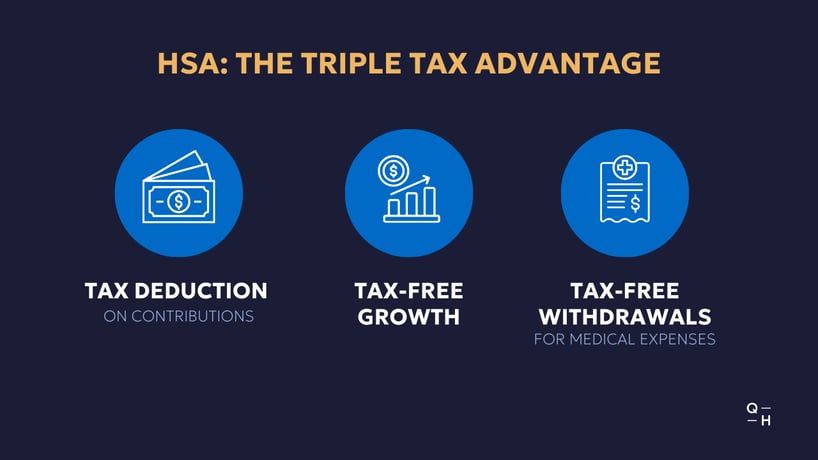
Why? Because an HSA has a triple tax advantage:
- Tax deduction going in (just like a 401(k))
- Tax-free growth (just like a Roth IRA)
- Tax-free withdrawals for medical expenses (better than both)
Think about it: Everyone has medical expenses eventually, especially in retirement. With an HSA, you're getting better tax treatment than a 401(k) or a Roth IRA.
2026 Contribution Limits:
- Individual coverage: $4,400
- Family coverage: $8,750
- Age 55+ catch-up: Additional $1,000
To qualify, you need a high-deductible health plan, which unfortunately most of us have these days. If you qualify, max this out before you go back to your 401(k).
Level 3: Build Your Brokerage Account to $100,000
This is a controversial take, but hear me out: Before you max out your 401(k), make sure you have substantial assets in a regular brokerage account—I recommend at least $100,000.
Why? Because most money in your 401(k) or Roth IRA is locked up until age 59½. Unless you want to pay penalties or jump through complicated withdrawal rules, that money is inaccessible.
But I don't know about you—I plan to spend money and seize opportunities long before I turn 59½. Cars break down. Houses need down payments. Career transitions happen. Having liquid, accessible wealth gives you both security and flexibility.
Yes, you'll pay some taxes as this grows through capital gains. But the flexibility is worth it for most people. This is your "opportunity fund"—money you can access at any time without penalties or restrictions.
Level 4: Now Max Out Your 401(k)
Once you've gotten your match, maxed your HSA, and built a solid brokerage account, now go back and fully maximize your 401(k).
For 2026, that means:
- Under 50: $24,500
- 50 and older: $32,500 (includes $8,000 catch-up)
At this point, you're primarily doing this for the tax deduction. This strategy works best if you're in a high tax bracket now and expect to be in a lower bracket in retirement.
The Advanced Strategies: For Those Who Can Save Even More
Level 5: Execute a Backdoor Roth IRA
If you're a high-income earner, you've probably discovered you can't contribute directly to a Roth IRA. The income limits phase you out:
2026 Roth IRA Phase-Out Limits:
- Single filers: Begins at $168,000
- Married filing jointly: Begins at $252,000
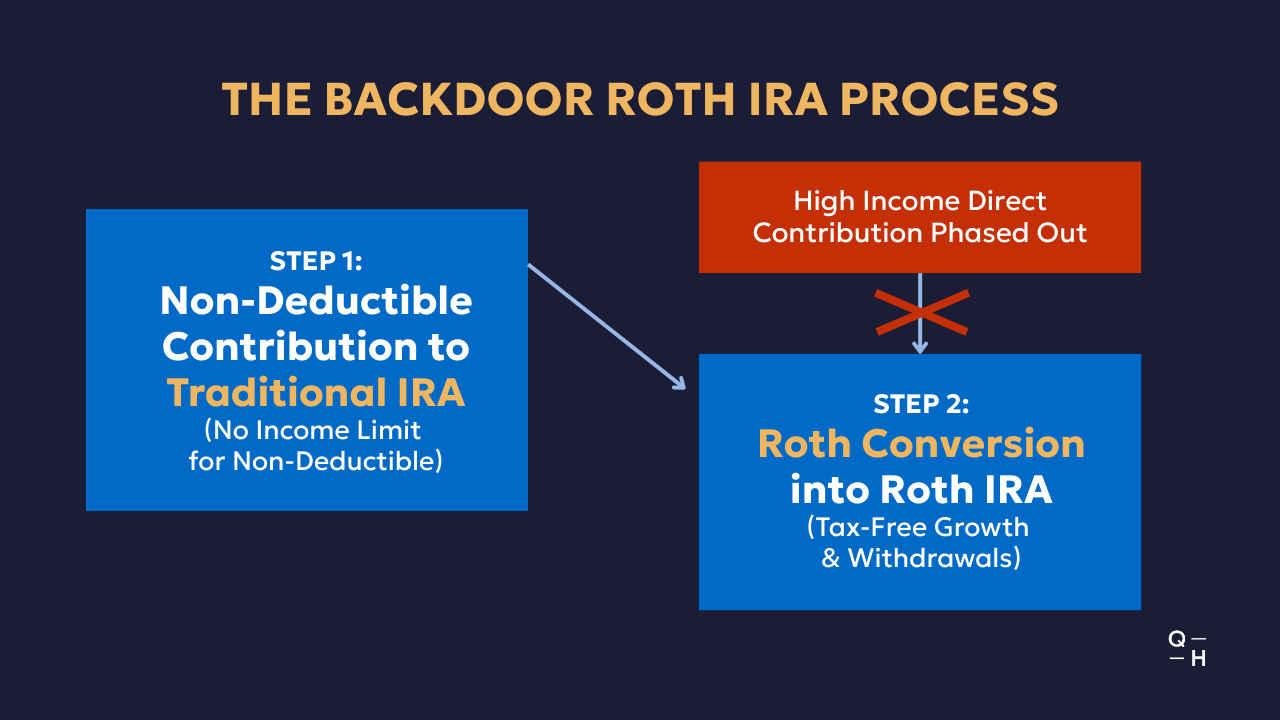
But here's the thing: There's no income limit on Roth conversions. This creates an opportunity called the "backdoor Roth IRA."
How it works:
- Make a non-deductible contribution to a traditional IRA ($7,500 in 2026, or $8,600 if you're 50+)
- Immediately (or within a few days) convert it to a Roth IRA
- The money now grows tax-free forever
Yes, this feels like a loophole. That's because it is. Congress knows about it and keeps threatening to close it, but they haven't yet. Use it while you can.
Important caveat: This strategy gets complicated if you already have money in a traditional IRA due to the pro-rata rule. If you're attempting this, work with a financial advisor to avoid costly tax mistakes.
Level 6: Fund 529 Plans for Your Children
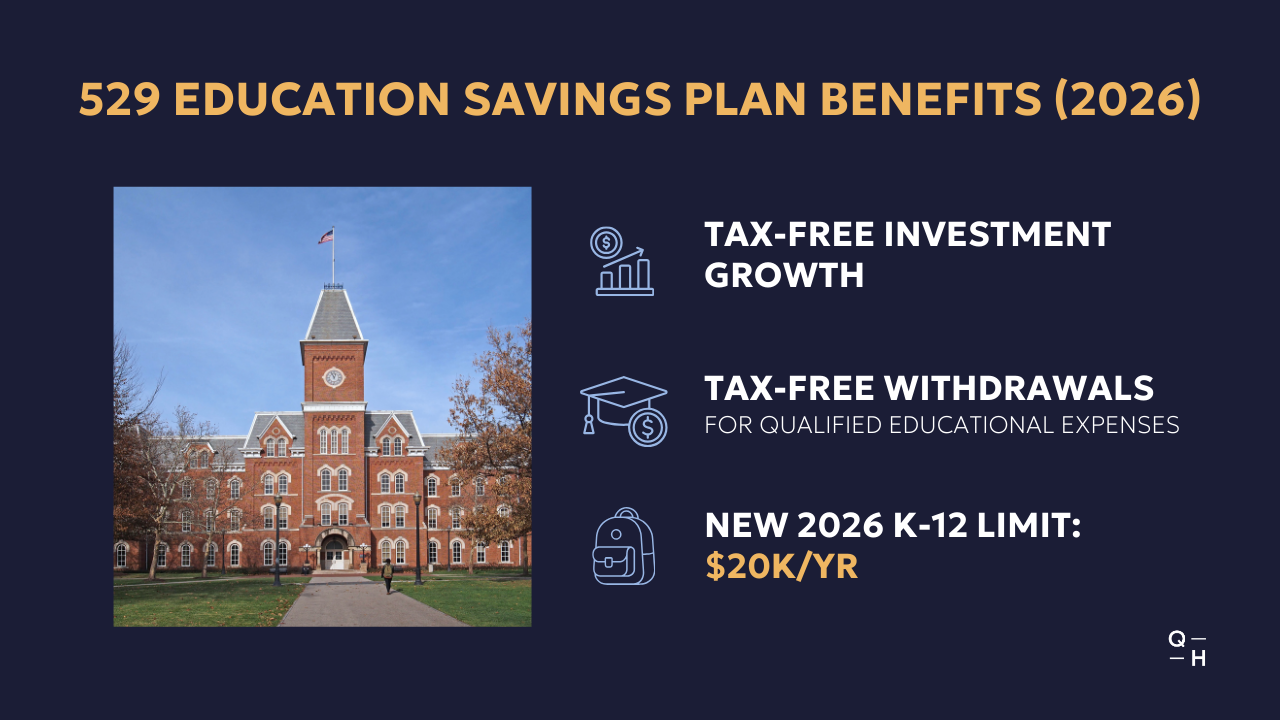
If you have children, 529 education savings accounts should be your next priority. The money grows tax-free and comes out tax-free as long as it's used for qualified education expenses.
2026 Details:
- No specific annual limit, but you must stay under the gift tax threshold
- Single person: $19,000 per child per year
- Married couple: $38,000 per child per year
- You can also "superfund" by contributing five years' worth upfront
New for 2026: The amount you can use for K-12 private school expenses just doubled from $10,000 to $20,000 per year. If you have kids in private school, a 529 just became significantly more attractive
For the Self-Employed: Where Things Get Really Interesting
If you have any self-employment income—even a side hustle while working a full-time job—you unlock access to significantly more powerful savings vehicles.
SEP IRA: The Simple Option
A SEP IRA (Simplified Employee Pension) is the easiest self-employed retirement account to set up and maintain.
Key details:
- Contribute up to 25% of your self-employment income
- 2026 maximum: $72,000
- Can be set up and funded right up until your tax filing deadline (including extensions)
Even if you only make $25,000 from a side hustle, that's a $6,250 tax deduction you wouldn't otherwise have. For someone in the 35% tax bracket, that's over $2,000 in tax savings.
Solo 401(k): The Power Option
If you have significant self-employment income, a solo 401(k) is often superior to a SEP IRA because you can contribute in two ways:
- As the employee: Up to $24,500 ($32,500 if 50+)
- As the employer: Up to 25% of your compensation
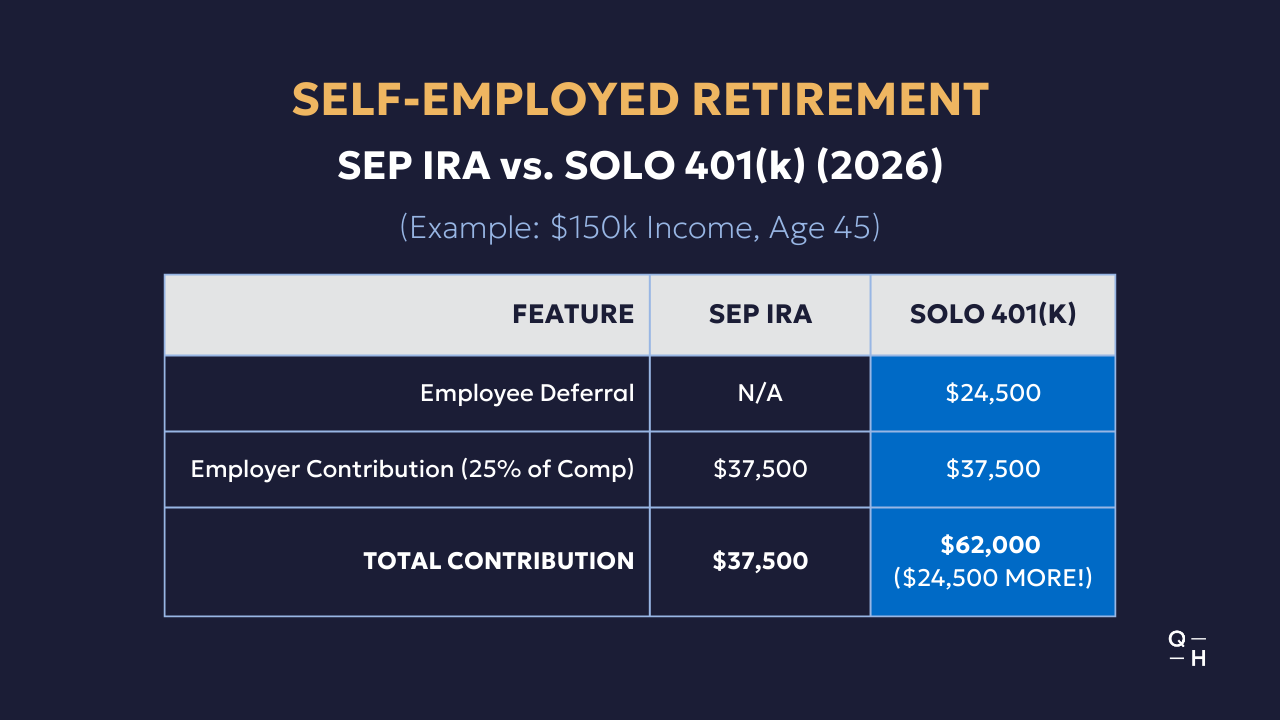
Example: Let's say you're 45 years old and make $150,000 from self-employment.
With a SEP IRA: ~$37,500 (25% of income)
With a Solo 401(k):
- Employee contribution: $24,500
- Employer profit-sharing: $37,500
- Total: $62,000
That's $24,500 more in a single year than a regular 401(k) would allow. Even with a modest $25,000 side income, you could contribute far more with a solo 401(k) than through just your employer's plan.
The catch: Solo 401(k)s have more administrative complexity and cost. Make sure you work with a CPA who knows the filing requirements, especially once your plan assets exceed $250,000.
Cash Balance Plans: The Maximum Contribution Strategy
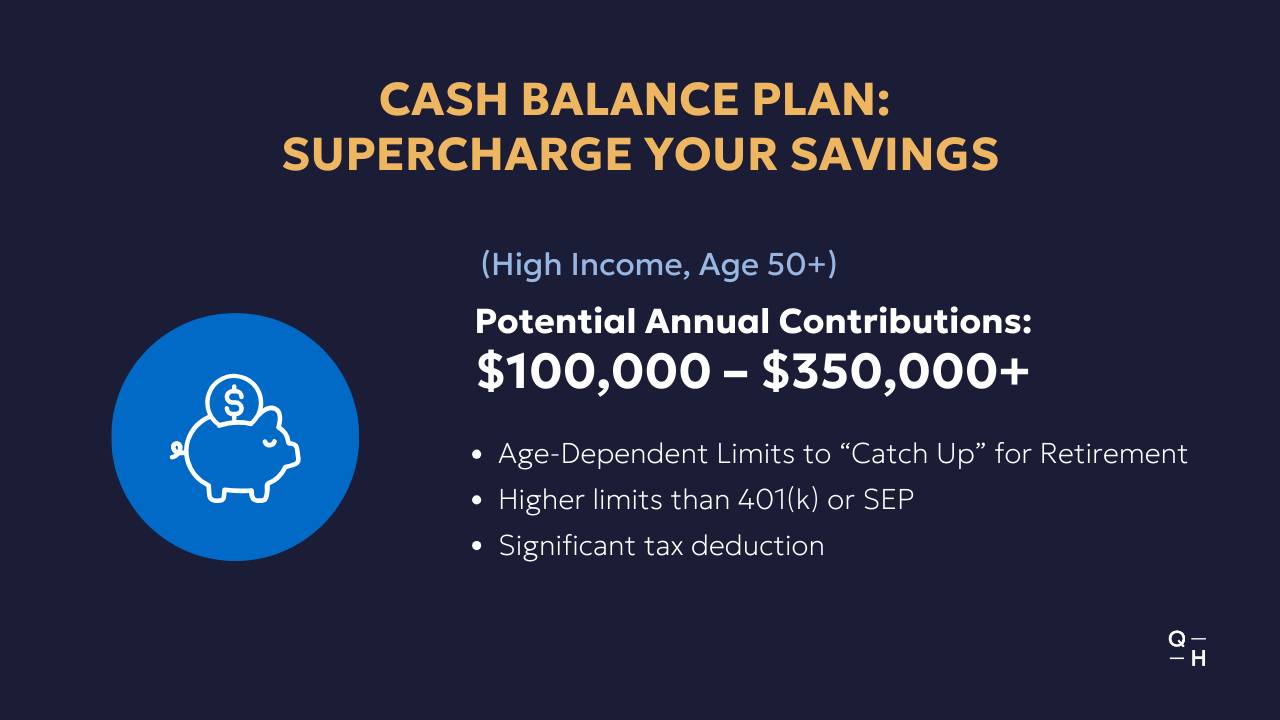
If you've maxed everything else and still have money to save for retirement, a cash balance plan might make sense. These are much more complex—they're actually a type of defined benefit (pension) plan—but they allow for massive contributions.
How much? Depending on your age and income, you could contribute $100,000 to over $350,000 per year.
Who this works for:
- Age 50+ with high, stable self-employment income
- Lawyers, doctors, consultants, business owners
- Those who can commit to funding it every year
Important considerations:
- High administrative costs: You'll need to hire an actuary to calculate contributions annually
- Required annual funding: You must fund it every year regardless of business performance
- Must include employees: If you have employees, you'll need to contribute on their behalf too
If you're in the right situation—a successful business with few employees, high income, age 50+—this can be one of the most effective ways to reduce taxes and build wealth.
For W-2 Employees: Deferred Compensation
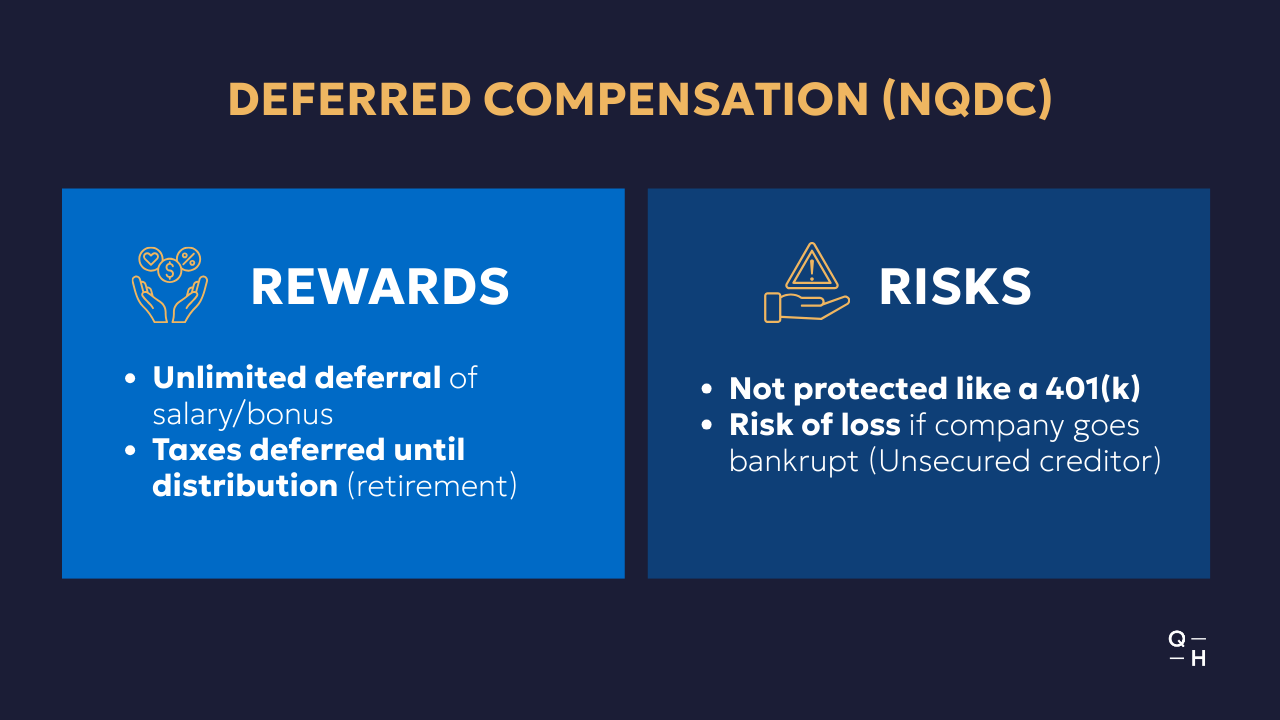
If you work for a larger company in an executive role, you may have access to a non-qualified deferred compensation plan (often called "deferred comp").
How it works:
- Defer a portion of your salary or bonus to a future date (usually retirement)
- No IRS contribution limits
- Don't pay taxes until you receive the money
The major risk: Unlike a 401(k), this money stays on your employer's books. It's essentially a promise from the company to pay you later. If your company goes bankrupt, you could be in line with all the other creditors trying to get paid.
Only use deferred compensation if:
- You work for a financially stable company
- You've already maxed out all other tax-advantaged accounts
- You understand and accept the risk
The Life Insurance Trap: Why It Usually Doesn't Make Sense
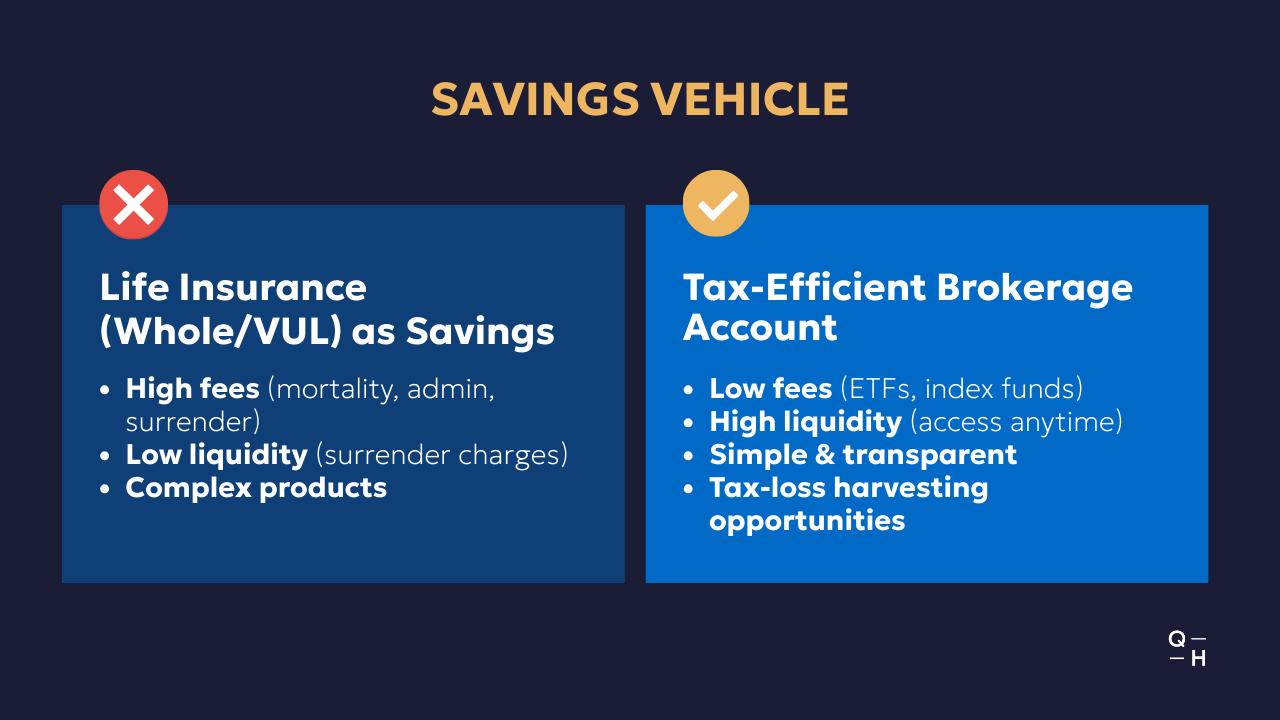
Before we wrap up, I need to address something you'll inevitably hear: that whole life insurance, variable life insurance, or annuities are great "savings vehicles" once you've maxed out your 401(k).
Here's my take: They usually aren't.
Why not?
- High fees: Mortality charges, administrative expenses, and surrender charges can eat up any tax benefits
- Complexity: These products are notoriously difficult to understand
- Better alternatives exist: Between brokerage accounts with tax-loss harvesting, ETFs with tax-deferred growth, and strategic asset location, you can often do better
When life insurance makes sense: If you need life insurance protection, buy simple, cheap term insurance. But as a primary savings vehicle? For most people, the options we've discussed today will serve you better.
Important note: Before purchasing any life insurance as an investment, talk with a fee-only financial advisor who doesn't sell insurance products. You want objective advice, not someone with a commission incentive.
Your Action Plan: The Complete Order of Operations
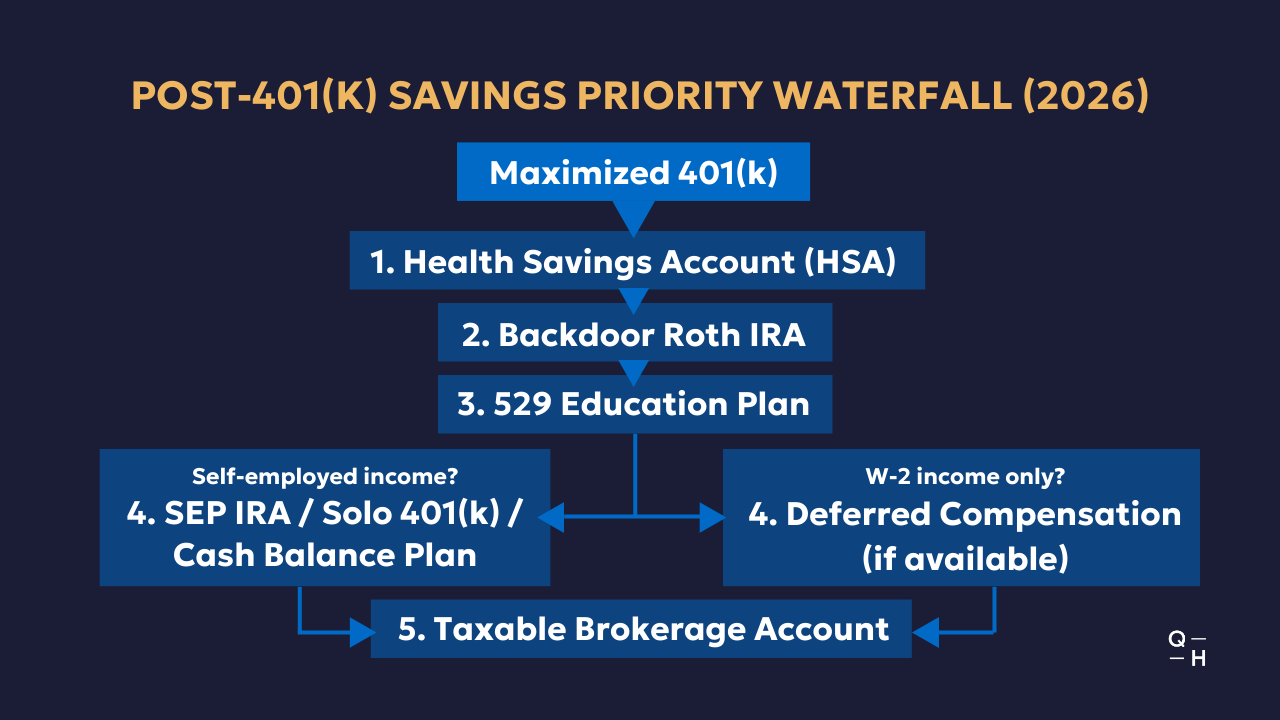
Let's recap the complete priority order:
For Everyone:
- Get your 401(k) match (free money)
- Max out HSA if you qualify ($4,400-$8,750)
- Build brokerage account to at least $100,000
- Fully max 401(k) ($24,500, or $32,500 if 50+)
- Execute backdoor Roth IRA ($7,500, or $8,600 if 50+)
- Fund 529 plans if you have children
Additional for Self-Employed:
- Consider SEP IRA (up to $72,000)
- Or better, Solo 401(k) (potentially $62,000+)
- If extremely high income: Cash balance plan ($100,000-$350,000+)
Additional for Corporate Executives:
- Explore deferred compensation (if offered and appropriate)
For Everyone:
Be skeptical of life insurance products pitched as savings vehicles
The Key Takeaway
The right tools depend entirely on your situation. A teacher with a pension has different needs than a consultant with variable income. A 30-year-old has different priorities than a 55-year-old.
But the fundamental principle remains: Use tax-advantaged space wisely, maintain flexibility, and don't just default to doing what everyone else does.
If you're a high earner who's been religiously maxing your 401(k) without thinking about these other strategies, you could be leaving five or even six figures in tax savings on the table over your career.
The question isn't whether you can afford to optimize your savings strategy. It's whether you can afford not to.
Ready to find out if we're the right fit for your financial planning needs? Schedule a complimentary discovery meeting where we'll provide a real assessment of how we can help your specific financial situation.
-A note from Bjorn Amundson, CFP®
This material is intended for educational purposes only. You should always consult a financial, tax, or legal professional familiar with your unique circumstances before making any financial decisions. Nothing contained in the material constitutes a recommendation for purchase or sale of any security, investment advisory services or tax advice. The information and opinions expressed in the linked articles are from third parties, and while they are deemed reliable, we cannot guarantee their accuracy.